Calf Health


Calf Nutrition


Calf Physiology


Welfare


Producer Day

We are pleased to introduce you to the speakers of this year’s conference.
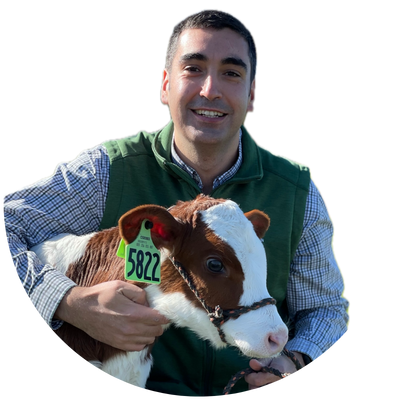
Abuelo_Angel

Dr. Angel Abuelo

Antioxidants impact on Newborn Calf Immunity and Health

Dr. Angel Abuelo is a Red Cedar Distinguished Professor and Dairy Extension Veterinarian at the Michigan State University College of Veterinary Medicine. Angel is a board-certified specialist veterinarian in dairy production medicine. At MSU, he researches strategies to increase host defenses in cows and calves, provides clinical training to final-year veterinary students, and provides continuing education to veterinarians nationally and internationally. He has published over 90 peer-reviewed manuscripts and received national and international awards for his work on bovine immunology. He also serves as the vice president of the American Association of Veterinary Immunologists.
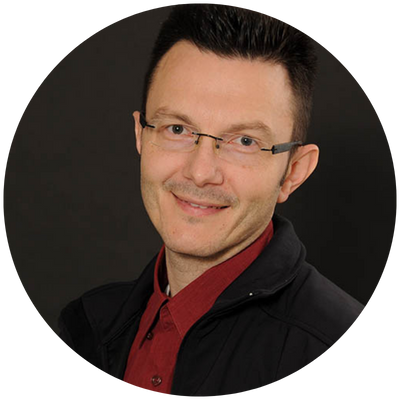
Buczinski_Sebastien

Dr. Sebastien Burczinski
My calves are doing well…or as usual: how can we improve when everything seems as usual?


Dr Buczinski graduated in 2002 from the National Veterinary School of Alfort (France). After a residency in to be board certified in food animal internal medicine and a Master’s degree in the Veterinary Teaching Hospital of the Faculty of Veterinary Medicine of the University of Montreal, he joined the Bovine Ambulatory as a professor in 2006. Since then, he works with about 40% of his time in the clinic with dairy cattle. The rest of his time is spent to teach, make clinical research, and administrative tasks. His research interests are applied mainly in the field of young ruminant health, with a focus on colostrum and respiratory diseases, as well as in the production of healthy veal, dairy-beef calves and replacement heifers. He is also interested in the use of diagnostic tests in veterinary practice (especially for tests that do not have a perfect reference test) and in evidence-based veterinary medicine. In 2015, he was the recipient of the Zoetis Clinical Research Award from the FMV, which recognized a professor of clinical sciences for the quality of his or her research.
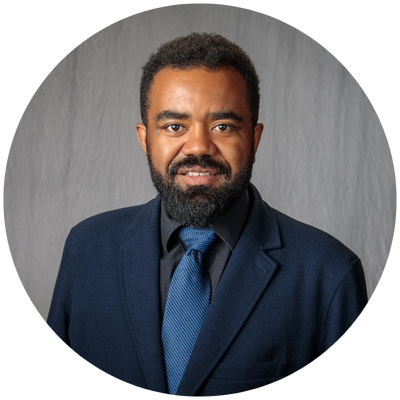
Costa_Joao

Dr. João Costa

Data-Driven Nutrition, Disease, and Welfare Management of Calves: Shaping the Next Generation… of Cows

João Costa, Associate Professor at the University of Vermont, specializes in calf management, animal welfare, and precision dairy technology. His research focuses on cattle welfare, the impact of preweaning nutrition and environment on calves, dairy cattle feeding behavior, and on-farm use of precision technologies. In addition to his academic work, João collaborates with private companies, dairy producers, and calf raisers to advance practical solutions for the industry. Originally from São João Batista, SC, Brazil, he is also a passionate Vasco FC fan.João Costa, Associate Professor at the University of Vermont, specializes in calf management, animal welfare, and precision dairy technology. His research focuses on cattle welfare, the impact of preweaning nutrition and environment on calves, dairy cattle feeding behavior, and on-farm use of precision technologies. In addition to his academic work, João collaborates with private companies, dairy producers, and calf raisers to advance practical solutions for the industry.
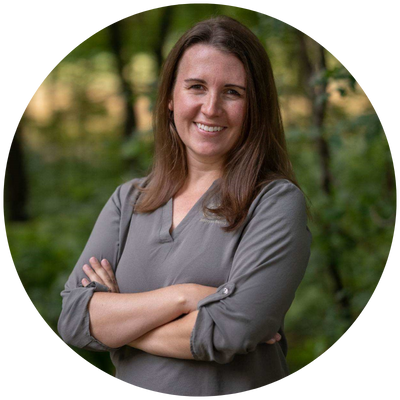
Dado_Senn_Bethany

Dr. Bethany Dado Senn
Calf Rearing in the Midwest: Innovation, Obstacles, and Opportunities Dr. Bethany Dado-Senn is a calf and heifer technical specialist for Vita Plus Corp, serving dairy farmers across Wisconsin and Minnesota in reaching their calf goals. She hails from northwestern Wisconsin, where she grew up and continues to manage calves on her family’s 500-cow dairy farm. She earned her B.S. and Ph.D. from the University of Wisconsin-Madison and M.S. from the University of Florida, where she studied the impacts of heat stress on early-life calf development.

Gross_JosefJohann

Prof. Dr. Josef Johann Gross

Quantity or quality of colostrum in ruminants? Causes of variation and consequences for the newborn

Josef Gross is head of the Veterinary Physiology group at the University of Bern, Switzerland. He received his PhD from the Technical University of Munich, Germany, in 2011. He is working on the nutritional impact on the adaptive physiology of transition dairy cows and neonatal calves. His research addresses the relationship between animal-related factors and variation in colostrum immunoglobulin content of ruminants. He investigates the role of individual nutrients and metabolites in the endocrine regulation of energy metabolism in neonatal calves and dairy cows, periparturient blood-milk barrier formation and mammary immune responsiveness.
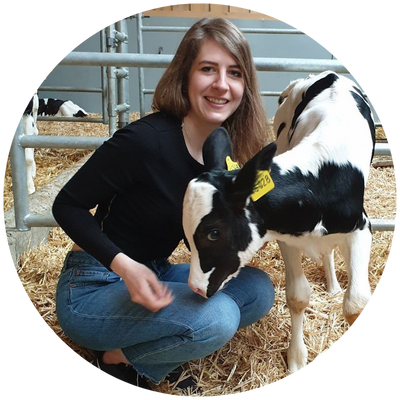
Wilms_Juliette

Dr. Juliette Wilms
Understanding the importance of dietary fats in liquid feeds for calves. Juliette Wilms obtained an MSc in Animal Science at AgroParisTech in France in 2014. In 2015, she joined Trouw Nutrition (Nutreco) as a researcher at the Ruminant Research Centre in the Netherlands. In 2024, she completed her PhD through a joint project between Trouw Nutrition and the University of Guelph (Canada), focusing on fat inclusion levels and fat composition in liquid feeds for calves. Her research projects include oral rehydration therapy for diarrheic calves and transported cattle, milk replacer composition, and calcium supplementation strategies for dairy cows at calving. She has authored 26 articles in scientific journals.

Laporta_Jimena

Dr. Jimena Laporta
Early-Life Programming of Mammary Growth and Milk Potential in Dairy Cattle

 Jimena Laporta is originally from Uruguay, where she earned her bachelor’s degree in Biology and a Master’s degree in Animal Sciences. She completed her Ph.D. in Dairy Science at the University of Wisconsin-Madison in 2014. After four years on the faculty at the University of Florida, she returned to UW-Madison in 2020, where she serves as an Associate Professor of Lactation Physiology in the Department of Animal and Dairy Sciences. Her research focuses on understanding how environmental and nutritional factors influence mammary gland development and lactation outcomes in dairy cattle. Her work emphasizes the lasting effects of perinatal programming and investigates the role of epigenetic programming across generations. Additionally, her group investigates nutritional interventions and heat stress management during early life to enhance calf resilience while improving growth, health, and lifetime performance.
Mann_Sabine

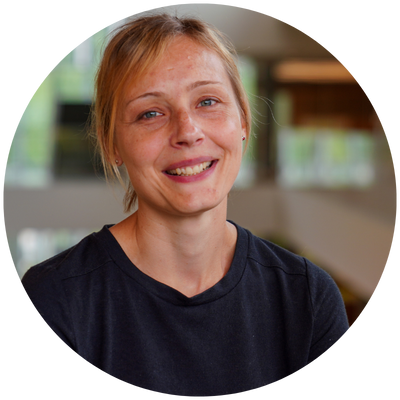
Dr. Sabine Mann
Early life management choices in dairy calves Sabine Mann is an Associate Professor of Ambulatory and Production Medicine at Cornell University. She received her DVM degree from Hannover, Germany, her veterinary doctorate from LMU Munich, Germany, and her PhD from Cornell University, USA in transition cow nutrition and physiology and epidemiology. Her current research focuses on the intersection of metabolism, nutrition, and immunology. She is particularly interested in nutritional strategies and interventions to improve host resilience in newborn calves and postpartum cows.

Marcondes_Marcos

Dr. Marcos Marcondes
Re-evaluating nutrition models to predict calf growth After completing his Bachelor’s in Animal Science at the Federal University of Viçosa, he earned his Master’s (2007) and Doctorate (2010) at the same institution. He then conducted postdoctoral research at the University of Florida from 2018-2019. From 2010-2021, he served as a Dairy Cattle Management and Nutrition professor at the Federal University of Viçosa. In 2021, he joined the Washington State University faculty as a Dairy Cattle Nutrition professor; then, in October 2024, he joined the William H Miner Institute as a dairy research scientist.
At MarcondesLab, he focuses on researching feed evaluation, nutrient requirements, and the economics of dairy operations. Dr. Marcondes also researches additives for mitigating methane production in cattle and the impact of nutrition on the performance and mammary gland development of calves and heifers. He takes a collaborative approach, integrating research on dairy cattle nutrition, reproduction, and behavior.
Neave_Heather

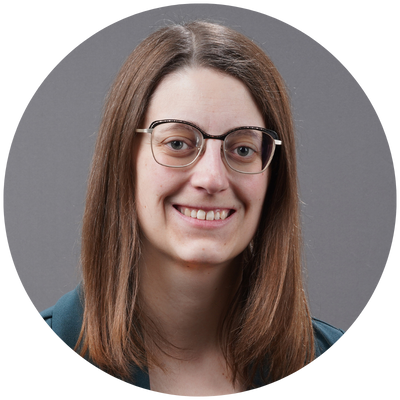
Dr. Heather Neave
The Evolving Frontier of Dairy Calf Rearing: Exploring the Benefits and Challenges of Cow-Calf Contact for Animals and Farmers Dr. Heather Neave is an Assistant Professor of Applied Ethology and Animal Welfare at Purdue University’s Department of Animal Sciences. She earned her Ph.D. in Applied Animal Biology from the Animal Welfare Program at University of British Columbia, Canada, specializing in animal welfare and behavior of dairy cattle. Dr. Neave’s career includes international research appointments in Denmark and New Zealand, where she investigated cow-calf management systems, weaning methods and personality traits of dairy cattle that contribute to performance benefits. With over 50 peer-reviewed publications, her research advances evidence-based practices in dairy cattle welfare, emphasizing behavior, cognition, emotion and positive welfare outcomes. Dr. Neave’s collaborations aim to bridge scientific innovation and practical application for improved dairy management systems.

Ollivet_Terri

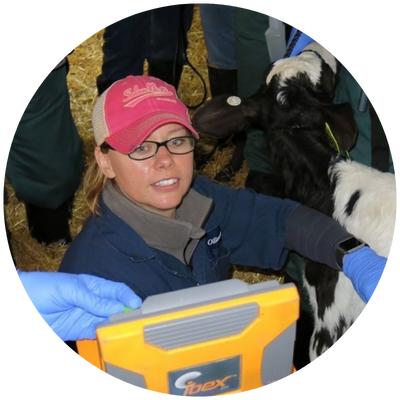
Dr. Terri Ollivett

Dr. Ollivett is a currently a veterinary epidemiologist and board

certified large animal internist. After
graduating from the College of Veterinary Medicine at Cornell University in 2004, Dr. Ollivett practiced
in a predominantly mixed large animal clinic
in northern NY. She returned to Cornell University in 2007
and completed a residency in Large Animal Medicine between 2008

2011. In 2014, she completed her
doctoral studies at the University of Guelph by validating
lung
ultrasonography as a means of diagn
osing
respiratory disease in dairy calves. As an ass
ociate
professor in the Food Animal Production Medicine
section at the School of Veterinary Medicine at UW

Madison, Dr. Ollivett continues to advance the
academic, veterinary and professional dairy indust
ry’s awareness and understanding of
lung
ultrasonography
as a means of diagnosing and monitoring cattle health and the varied impacts of
interventions on dairy farms.
Penagaricano_Francisco

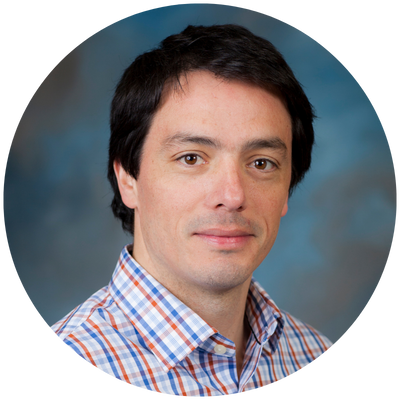
Dr. Francisco Peñagaricano
Reducing methane emissions from livestock: progress, challenges, and opportunities Francisco Peñagaricano is an associate professor in the Department of Animal and Dairy Sciences at the University of Wisconsin–Madison. His research interests are in quantitative genomics and computational biology. Peñagaricano’s research program focuses on developing and applying methods to understand, dissect, and predict economically relevant traits in dairy cattle. He typically combines large, nationwide phenotypic datasets or field experiments with high-throughput genomic technologies and advanced methods to elucidate the connection between genome and phenome. His research involves gene mapping, genomic prediction, multi-omics data integration, and network modeling.

Renaud_Dave

Dr. Dave Renaud

The impact of transportation on young dairy calves: New insights and a bumpy road forward

Dave Renaud, BSc, DVM, PhD, is an Associate Professor at the University of Guelph. He received his DVM from the Ontario Veterinary College and a PhD in epidemiology from the Department of Population Medicine at the University of Guelph. His research focuses on identifying factors associated with improving cattle health, specifically in calves, and evaluating alternative management strategies to reduce the level of antimicrobial use. Dave is also practicing veterinarian working with dairy producers and calf raisers around the Guelph area.
Rostoll_Cangiano_Lautaro

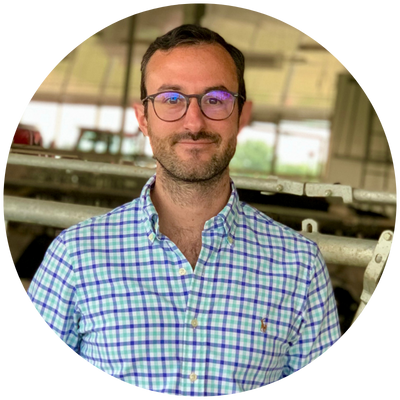
Dr. Lautaro Rostoll Cangiano
Beyond Passive transfer: The role of colostrum in programming immune development in calves Lautaro is an Assistant Professor specializing in Bovine Immunology at the University of Wisconsin-Madison’s Department of Animal and Dairy Sciences. He earned his PhD from the University of Guelph in Canada and his MSc from the University of Florida. His lab focuses on understanding how different on-farm management factors affect immune function and overall health of dairy cows and neonatal calves. Additionally, he studies the impact of metabolic disorders in dairy cows on immune function and disease susceptibility. Lautaro’s lab aims to create practical, science-based solutions to increase resilience and disease resistance of dairy cattle.

Steele_Michael

Dr. Michael Steele
New concepts in colostrum and milk nutrition

Dr. Michael Steele completed his Ph.D. at the University of Guelph and worked with Nutreco Canada Agresearch for two years before returning to academia at the University of Alberta and later at the University of Guelph as an NSERC Industrial Research Chair. He has recently received several prestigious honors, including the CSAS Young Scientist Award, the Cargill Young Animal Nutritionist Award, the Lallemand Award for Excellence in Dairy Nutrition Research, the American Society of Animal Science Early Researcher Award, and the ADSA Foundation Scholar Award. Dr. Steele’s current research focuses on the mechanisms that control gastrointestinal health and development in cattle, and he has published over 150 manuscripts throughout his career.

VanOs_Jennifer

Dr. Jennifer Van der Os
Putting our heads together: Practical strategies for successful pair or group housing Jennifer Van Os is an Assistant Professor and Extension Specialist in Animal Welfare in the Department of Animal & Dairy Sciences at UW-Madison. The research in her lab focuses on understanding, evaluating, and improving the welfare of dairy animals from biological- and social-science perspectives. The goal of her xtension program is to promote best practices in management and housing to help the dairy industry adapt as our scientific knowledge about animal welfare continues to grow.

Werling_Dirk

Dr. Dirk Werling
Is the microbiome our secret weapon to raise healthy calves antibiotic free? After gaining a BSc.VetMed. (Veterinary University Hannover), my Dr.Med.Vet. thesis at the ETH Zuerich examined the impact of Bovine Leukaemia Virus infection on the ability of bovine macrophages to respond to LPS. This work was then followed by a stipend of the Swiss National Science Foundation (SNF) to participate in the PostGraduate course in Experimental Medicine, run by the University Hospital Zuerich. After a year, I returned to ETH Zuerich with a Postdoctoral Research Fellow Stipend of the German Research Foundation (DFG). This was followed by a Marie Curie Research Fellowship of the EU to join the group of Chris Howard at the Institute for Animal Health (Compton Laboratories) to work on the development and characterisation of dendritic cells and their role in respiratory syncytial virus infection. From here, I moved back to the ETH Zuerich as a Senior Scientist (Oberassistent). During this period I expanded the scope of my work to encompass the development of the innate immune system in ruminants, and aspect of pathogen escape mechanisms in innate immune cells. In 2001, I accepted an Assistant Professorship (Tenure Track) at the Institute of Virology (University of Berne), in the group of Thomas Jungi. In 2003, I accepted a Senior Lectureship at the Royal Veterinary College, and was promoted to a personal tenured Chair and Professor in Molecular Immunology in 2007. The key motivation for this move was the unique opportunity to develop dendritic cell based vaccines for farm animals by targeting the then newly discovered class of innate immune receptors, such as the Toll-like receptors. In this role I have been responsible from the outset for the design, implementation and evaluation of new vaccine delivery platforms. These activities have attracted substantial funding and resulted of the submission of 3 different patent-applications. My research during this period has naturally been biased towards research administration, where close working relationships with industrial partners has been essential. Throughout, however, I have continued to make significant contributions to answering the function of the innate immune response in farm animals and evolutionary questions associated with identified differences between farm animals, human and mice. I have produced so far over 150 Peer Reviewed Publications in international journals across a broad range of empirical research topics such as that of the coevolution between host and pathogens, and the species-specific recognition of pathogens (Trends in Immunology). My current research is funded through BBSRC, EU (FP7 and EMIDA), the Bill and Melinda Gates Foundation and the Global Methane Hub.

 
Ziemerink_Jan

Jan Ziemerink

CEO Foerster-Technik NA


Here you can find the agenda